


Esophageal Varicose Veins
[vc_row][vc_column][mkdf_section_title type="standard" position="" title_tag="h2" disable_break_words="no" title="What are esophageal varicose veins? "][vc_column_text]They are abnormally large or dilated veins found in the final portion of the esophagus. The dilation happens due to slow blood flow through the liver as a result of

Peptic Ulcer
[vc_row][vc_column][mkdf_section_title type="standard" position="" title_tag="h2" disable_break_words="no" title="What is a peptic ulcer? "][vc_column_text] It’s a lesion in the form of a wound in the most superficial layer of the digestive tract (mucosa). When this lesion is located in the stomach is called peptic
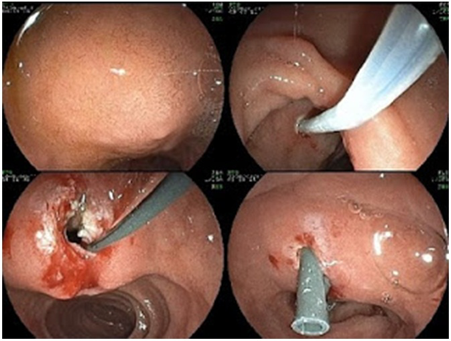
Pancreatic Pseudocyst
[vc_row][vc_column][mkdf_section_title type="standard" position="" title_tag="h2" disable_break_words="no" title="What is a pancreatic pseudcyst (PP)? "][vc_column_text] It is the collection of pancreatic fluid that is not enclosed within a sac with a proper epithelium. It forms within a cavity or space around the pancreas and
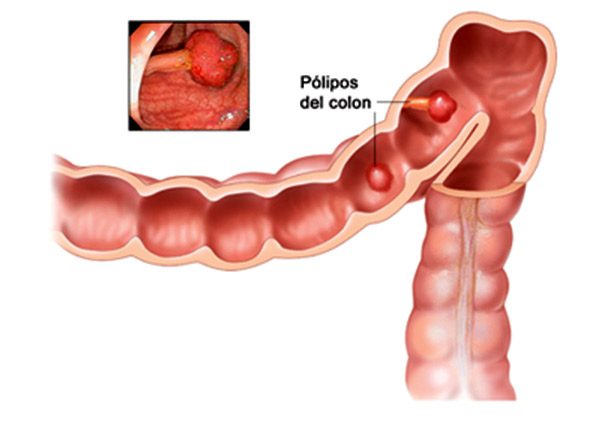
Colon Polyps
[vc_row][vc_column][mkdf_section_title type="standard" position="" title_tag="h2" disable_break_words="no" title="What are colon polyps? "][vc_column_text]Colon polyps are protuberances that appear on the mucous that lines the interior of the colon. Normally they measure a few millimeters and can vary in shape. Polyps are the result
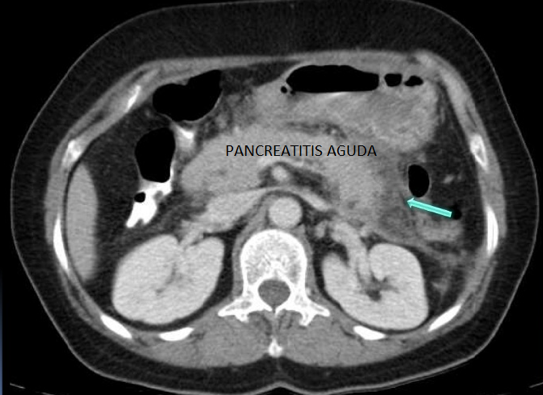
Acute Pancreatitis
[vc_row][vc_column][mkdf_section_title type="standard" position="" title_tag="h2" disable_break_words="no" title="What is the pancreas? "][vc_column_text]The pancreas is an organ is located in the upper abdomen, behind the stomach, and it produces a fluid that contains enzymes that participate in the digestion and absorption of food.

Hemorrhoids
[vc_row][vc_column][mkdf_section_title type="standard" position="" title_tag="h2" disable_break_words="no" title="What are hemorrhoids? "][vc_column_text] They are the result of dilated or enlarged veins around the anus or the lower portion of the rectum. Hemorrhoids are common and affect women more frequently than men. They are the

Gastroparesis
[vc_row][vc_column][mkdf_section_title type="standard" position="" title_tag="h2" disable_break_words="no" title="¿Qué es la Gastroparesia?"][vc_column_text]Its a disease that decreases the the capacity of the stomach to empty its contents into the small intestine, but not due to an obstruction in the gastrointestinal tract. What is the cause? The

Constipation
[vc_row][vc_column][mkdf_section_title type="standard" position="" title_tag="h2" disable_break_words="no" title="What is constipation? "][vc_column_text]First we must consider what is considered a normal bowel movement: one to three times a day. Therefore, constipations is defined as passing three of less bowel movements per week, with scarce, hard

Esophageal Stenosis
[vc_row][vc_column][mkdf_section_title type="standard" position="" title_tag="h2" disable_break_words="no" title="What is esophageal stenosis?"][vc_column_text]It is the narrowing of the esophagus’ diameter that results in difficult transport of food toward the stomach. What are the causes of esophageal stenosis? All factors causing inflammation of an area in the
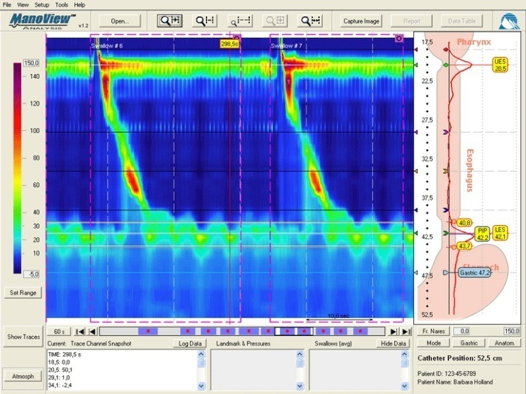
Gastro Esophagi Reflux Disease (GERD)
[vc_row][vc_column][mkdf_section_title type="standard" position="" title_tag="h2" disable_break_words="no" title="What is GERD? "][vc_column_text]Where the esophagus joins the stomach, there is a circular muscle called lowed esophageal sphincter which keeps contents of the stomach from returning up toward the esophagus. When said muscle malfunctions there